

When someone you love is no longer around, everyday life changes. The days seem quieter, but in that silence, there’s room to reflect on what truly matters.
Many families take this time to go through personal belongings and hold on to memories. Experts emphasize that keeping tangible mementos is a natural and healing way to stay connected to someone who meant a lot to you.
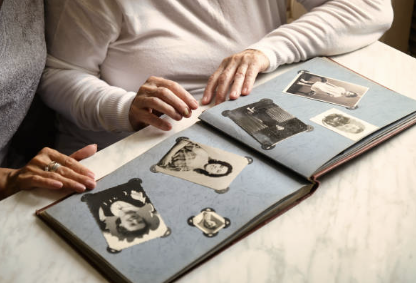
Research from the Dutch Youth Institute shows that holding onto personal items can strengthen emotional well-being. Small things like photos, notes, or jewelry can awaken feelings of warmth and comfort.

Keeping such objects isn’t only a tribute — it’s also a way to preserve positive energy. These quiet moments of reflection bring peace and balance back into life.
Content:
The power of small things
According to grief counselor Marijke van Eerden from Amersfoort, it’s often the small things that touch us most.
“A keychain, a mug, a watch — they all carry stories within them,” she says.
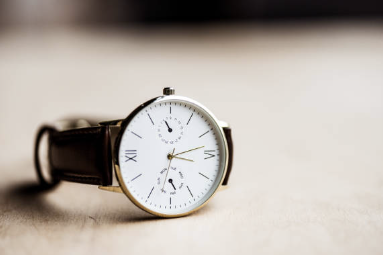
Data from Leiden University shows that 85% of Dutch people consciously keep an item as a symbol of love or connection.
Touching a familiar object stimulates the brain and evokes feelings of safety and grounding. These things become silent witnesses of shared moments that color our lives.
Holding onto something tangible keeps memories alive and deeply human.
Handwritten words
One of the most personal things to keep are letters and notes. The handwriting of a loved one carries a unique emotional energy that speaks directly to the heart.

According to researchers at the University of Amsterdam, handwriting activates parts of the brain linked to emotion, which explains why seeing a familiar signature or note brings comfort.

Many people keep cards or letters in drawers or albums for years.
Reading them again evokes closeness and love — even a simple sentence in a familiar script can bring a smile and a sense of calm.
Learn more about the psychology of memory at Trimbos Institute.
Photos that still speak
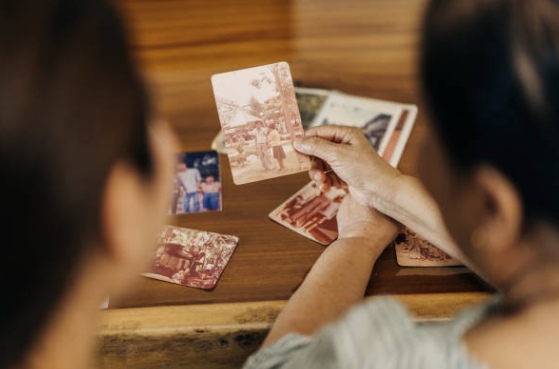
Photos are one of the most powerful ways to preserve memories. A smile, a sunny afternoon, a family celebration — they all stay visible and alive through an image.
Many people create a memory corner at home with photos, candles, and small keepsakes that radiate warmth and positivity.
The Social and Cultural Planning Office reports that photos aid emotional recovery and strengthen loving memories.
Digital technology now makes it easy to share albums with family, keeping stories alive for future generations.
Each picture becomes part of a shared family history.
See examples of home remembrance corners at Rouwexpert.nl.
The scent of memory
A scarf, sweater, or piece of fabric with a familiar perfume can hold a loved one’s scent for years — and that scent brings calm and comfort.

Scientists at Wageningen University have shown that smell connects directly to memory and strengthens feelings of trust.
Even the scent of laundry detergent or flowers can make people feel safe and grounded.
Many families keep clothing or scented items that remind them of everyday habits — scents that bring smiles and a sense of closeness.
Familiar smells are powerful, silent carriers of love and connection.

Learn more about how scent triggers memory at Quest.nl.
Symbolic objects
Some objects gain special meaning over time — a book on the nightstand, a favorite mug, or a clock that has ticked for years.

Psychologist Hester Mulder from Zwolle says symbolic items give direction to our sense of connection.
They remind us of what’s truly important and bring harmony and warmth into a home.
In many communities, cherished items are passed down through generations, keeping stories alive.
Discover more about symbolism in memory at Psychologie Magazine.
The story on paper
Documents such as diaries, letters, or certificates tell the story of a life. They form a timeline of meaningful moments.

The National Archives note that more and more people preserve personal papers to record family history.
Reading an old note or letter can spark feelings of pride and gratitude — they reveal the journey of a meaningful life.
A signature or date on paper becomes a reminder of milestones and achievements, ensuring a person’s story lives on.
Taking time to choose
Taking time to decide what to keep brings clarity and peace.
There’s no “right way” to process memories.
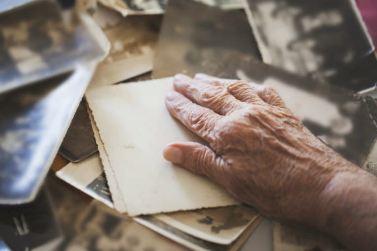
According to Humanitas, consciously choosing what feels meaningful helps maintain balance and contentment.
Reflecting together as a family on which items to keep can deepen bonds and create space for gratitude.
The act of selecting and preserving is a gentle form of self-care and love — for yourself and for what remains precious.
Find practical advice at Humanitas.nl.
A box full of love
A memory box is a beautiful way to collect cherished moments.
Photos, letters, jewelry, and keepsakes can all find a safe place inside.
Psychologists call this a form of emotional self-care, helping to bring structure and warmth.
Filling the box together with loved ones can become a tender ritual of remembrance.
Many people decorate their boxes with colors, ribbons, or symbols, giving them personal meaning that grows over time.
Each time you open it, you rediscover small pieces of happiness.
Remembering together
Sharing memories with others creates connection.
In many community centers and churches, people gather to tell stories about those who made their lives brighter.
Cultural anthropologists describe this as social support — shared stories strengthen bonds and foster togetherness.
Families often make collective albums or digital books that keep memories alive.
Such shared reflection brings warmth, gratitude, and hope.
The future of remembrance
In today’s digital world, many people preserve their memories online.
Digital memorial platforms, such as Memoria.nl, provide safe spaces to store images, videos, and personal stories.
Some families even add music or voice recordings, making remembrance more intimate and emotional.
Technology and feeling blend together to create a modern, heartfelt way to keep love alive.
Love remains
Whether it’s a handwritten note, a soft sweater, or a framed photo — tangible memories bring warmth, strength, and connection.
Psychologists call this a continuing bond: through remembrance, love and positivity stay present in everyday life.
Those who consciously honor memories often experience deeper peace.
Every small detail becomes a reminder of gratitude rather than loss.
The power of memory lies in the love that keeps growing — even as time moves on.
Key Points
- Small personal items strengthen joy and emotional connection.
- Handwriting, scent, and photos evoke calm and comfort.
- Documents preserve family history and identity with pride.
- Taking time to choose brings balance and clarity.
- Memory boxes and digital spaces make love tangible.
SPECTRUM Magazine Disclaimer
This article is for informational, educational, and human-interest purposes only. It does not provide medical, legal, or financial advice. SPECTRUM Magazine and its publisher accept no liability for decisions made based on this content. Always consult a qualified professional for personal, financial, or health-related concerns.
Facebook Disclaimer
This content was written to inspire and raise awareness. It does not constitute financial advice. Readers are encouraged to make their own choices, share experiences, and follow our stories out of genuine interest in human themes and positive insights.
Professional References
- Trimbos Institute
- Social and Cultural Planning Office (SCP)
- Wageningen University
- Leiden University
- Humanitas
- National Archives
- Psychologie Magazine